 Longest at the shrine
Fuji and Hakone day
Shrine and Owakudani
- At the shrine
- 80 minutes
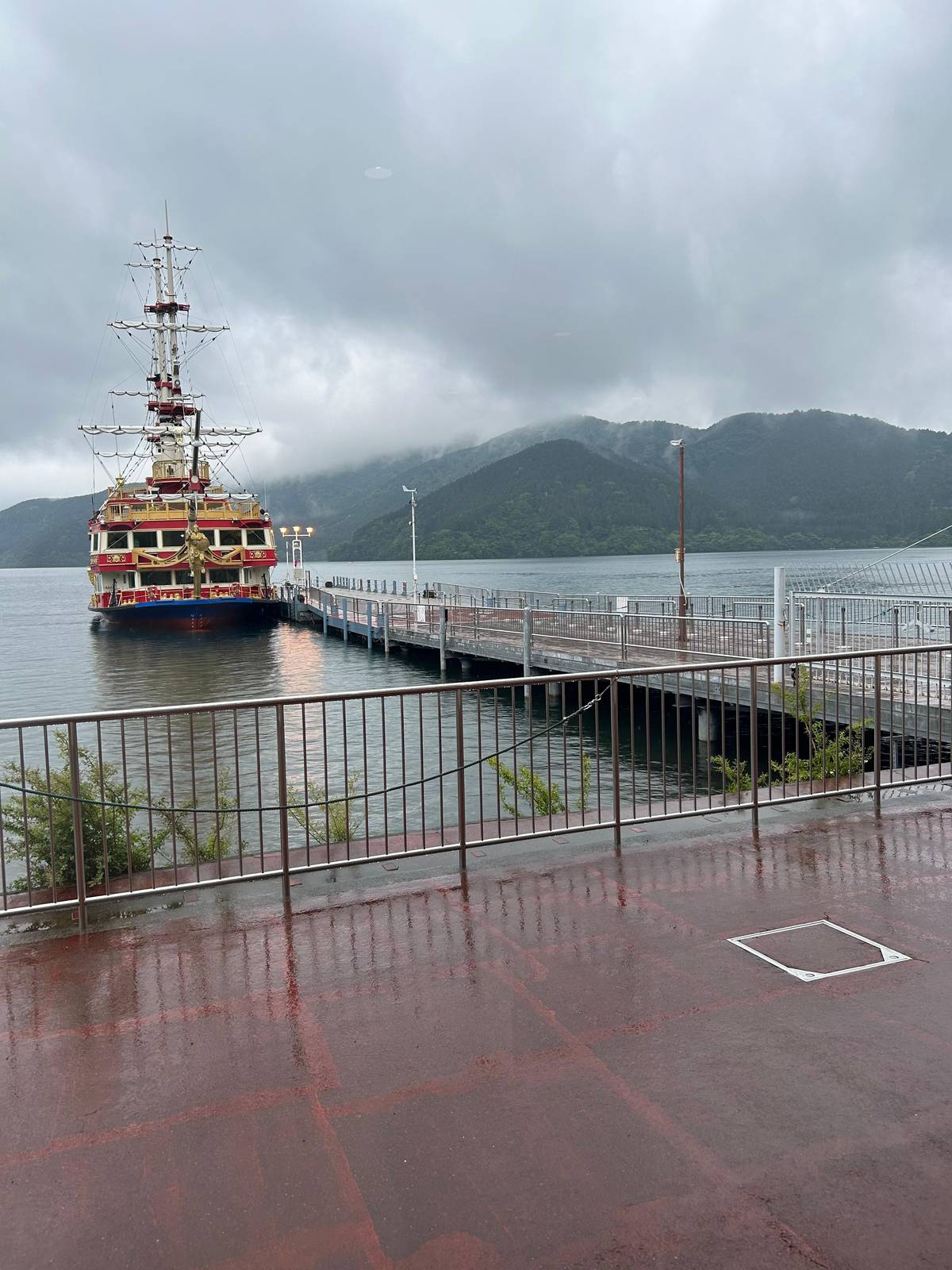
- Cruise
- Ticket bought on the day
- Duration
- 10 hours
Guides
Language
EnglishCurrency
US dollar · $GetYourGuide uses the currency you choose.
Guide · The shrine
The red gate in the water at Moto-Hakone is the most photographed sight of the Lake Ashi cruise. Here is the story of Hakone Shrine and its gates, the dragon shrine on the shore, and how to fit a visit around the boat.
Editorial team, hakonesightseeingcruise.comUpdated October 22, 2026read in 6 minutes51 sources
Quick answer
Hakone Shrine stands in the woods above the eastern bay of Lake Ashi, and it is old even by Japanese standards. Odakyu Hakone dates it back to the year 757, and the shrine's own history says that in that year the monk Mangan built its halls at the present site by the lake.17
Its fame grew with the road. Military commanders prayed here, and so did ordinary travelers crossing the Hakone pass, who came to ask for a safe journey.8 That makes it a fitting stop on a day of trains, gondolas and boats: the shrine has been looking after people on the move since the eighth century.
The address is Motohakone 80-1, just above the port where the cruise ships call.9 Moto-Hakone-ko lists Hakone-jinja shrine among its surroundings, and from the pier it is a short walk along the bay to the shrine gates.5
A visit from the port
Arrive
Hakone-jinja shrine is among the port's surroundings.5
Along the bay
The shrine numbers its gates from the village upward.10
Fourth torii
The main approach climbs between old cedars.11
Main hall
The dragon shrine stands beside the main hall.6
Down to the lake
The red gate standing in the water.12
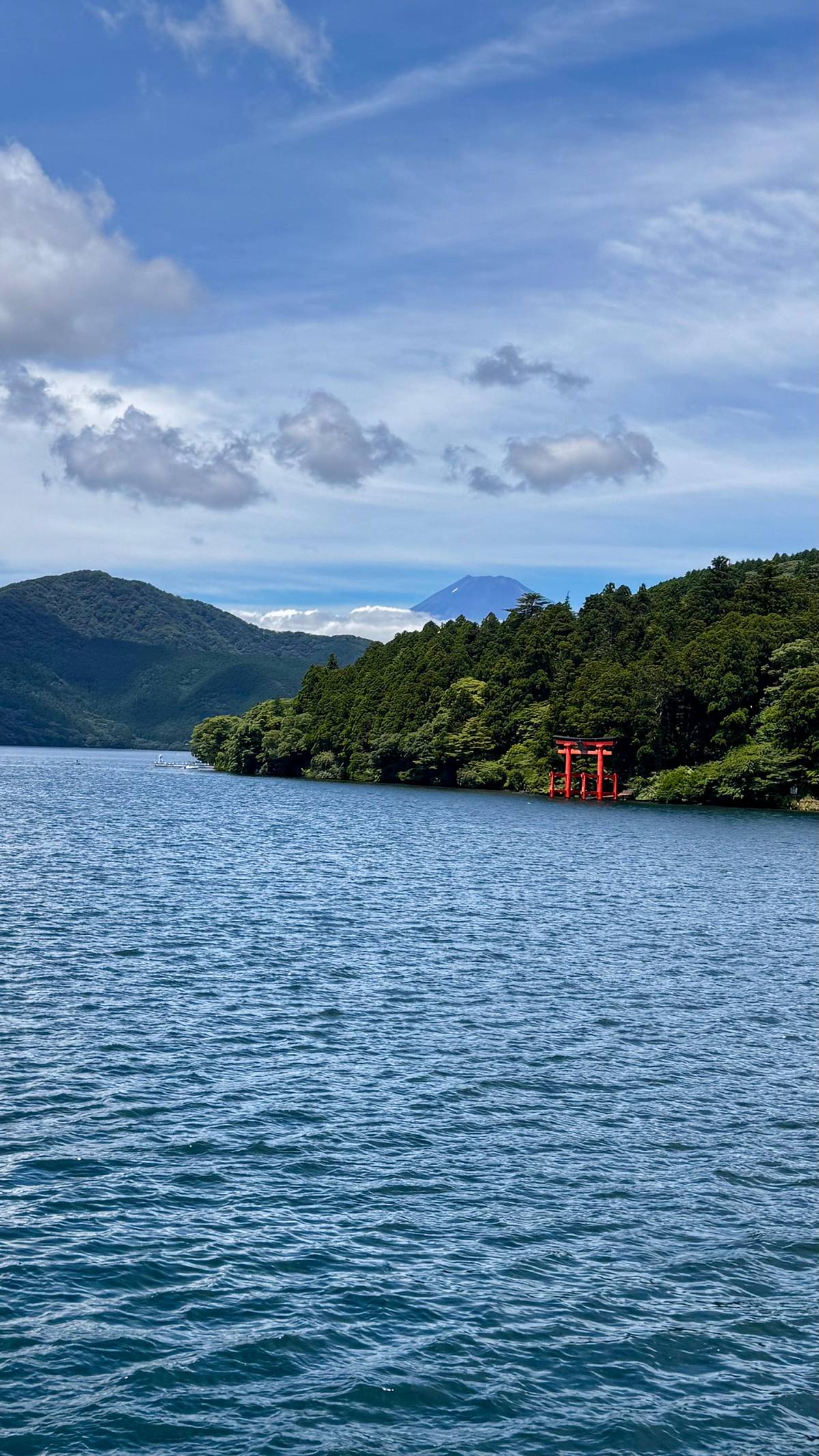
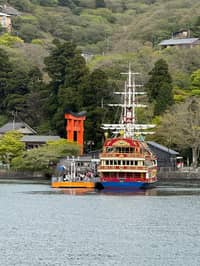
The Hakone Shrine torii on Lake Ashi is the image on almost every poster of the area: a vermilion gate standing in the water at the foot of the shrine woods. The shrine records that it was built in 1952 to celebrate the investiture of the then Crown Prince and Japan regaining its independence with the peace treaty.2
Its name came later. In 1964, marking 1,200 years of the shrine and the Tokyo Olympics, a plaque reading Heiwa, peace, was hung on it in the handwriting of former prime minister Yoshida Shigeru, and it has been called the torii of peace ever since.3 Odakyu Hakone calls it the red gate of peace.12
Look closely and you will see that it differs from the other gates of the shrine. All of Hakone Shrine's torii are built in the myojin style except this one in the lake, which is a ryobu torii, with extra posts bracing each pillar.13
Gates and shrines
| Place | Where | Worth knowing |
|---|---|---|
| Main hall | Above the eastern bay | Founded 757 |
| Torii of peace | In the lake below the shrine | Ryobu style, built 1952 |
| Fourth torii | Main approach | Start of the 90 steps |
| Kuzuryu Shingu | Beside the main hall | Dragon shrine |
| Kuzuryu Hongu | Lakeshore forest | Admission to the forest |
| Mototsumiya | Summit of Komagatake | Rebuilt 1964 |
From Hakone Shrine's own history and grounds guide and from Odakyu Hakone.12131161718
Tours that stop here
Longest at the shrineShrine and Owakudani
 An hour on the water
Shrine and the lake
 Most reviewed
Torii and shrine stops
Decision helper
Pick the way that fits your day at the lake
The red gate of peace stands in the lake below it.12
Spots on the cruise show both in one view.4
One day trip lists 80 minutes at the shrine.
A return trip to Kuzuryu with forest entry included.19
About 40 minutes, then a 10-minute walk.14
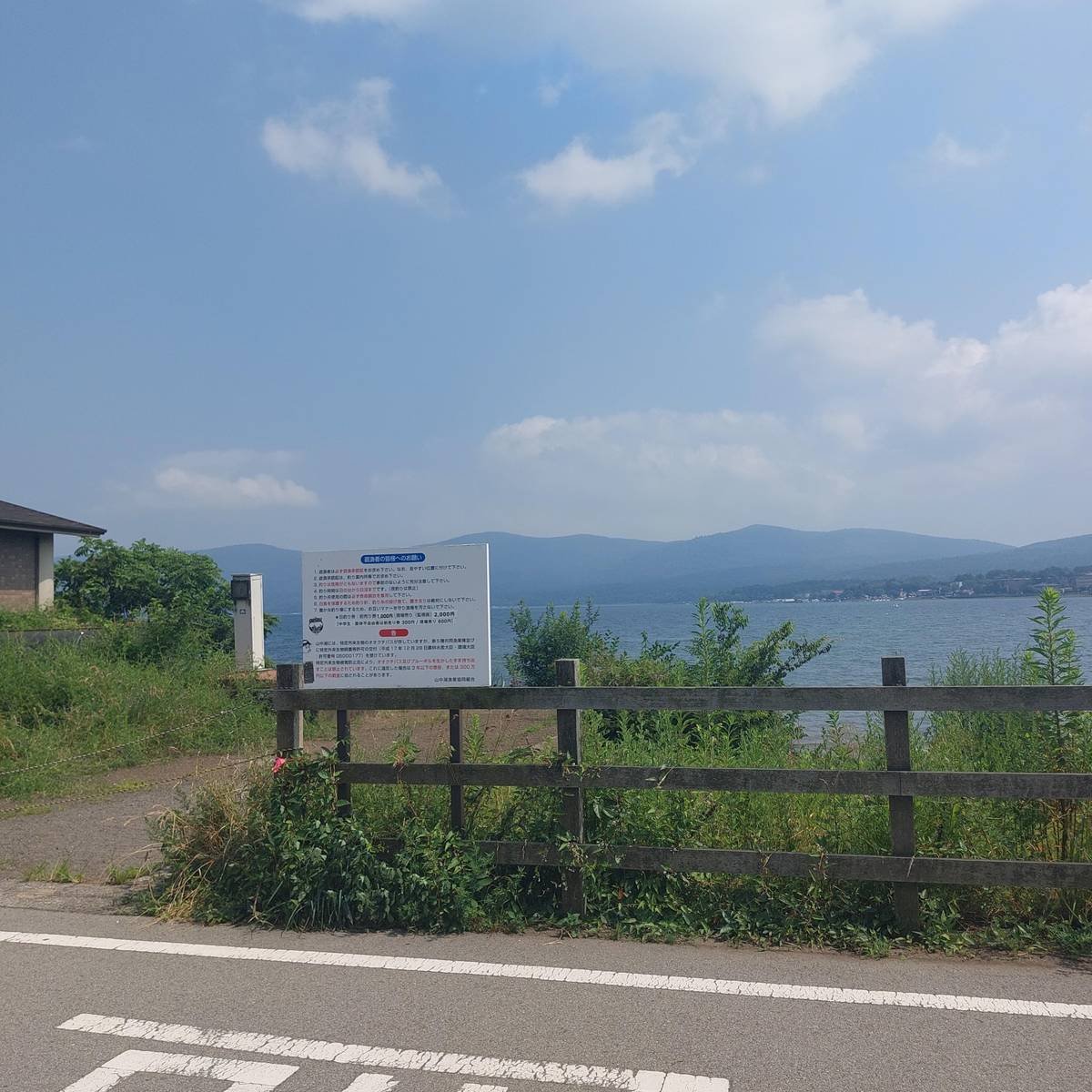
see the “red gate of peace” (heiwa no torii) standing proud and tall in Ashinoko Lake.
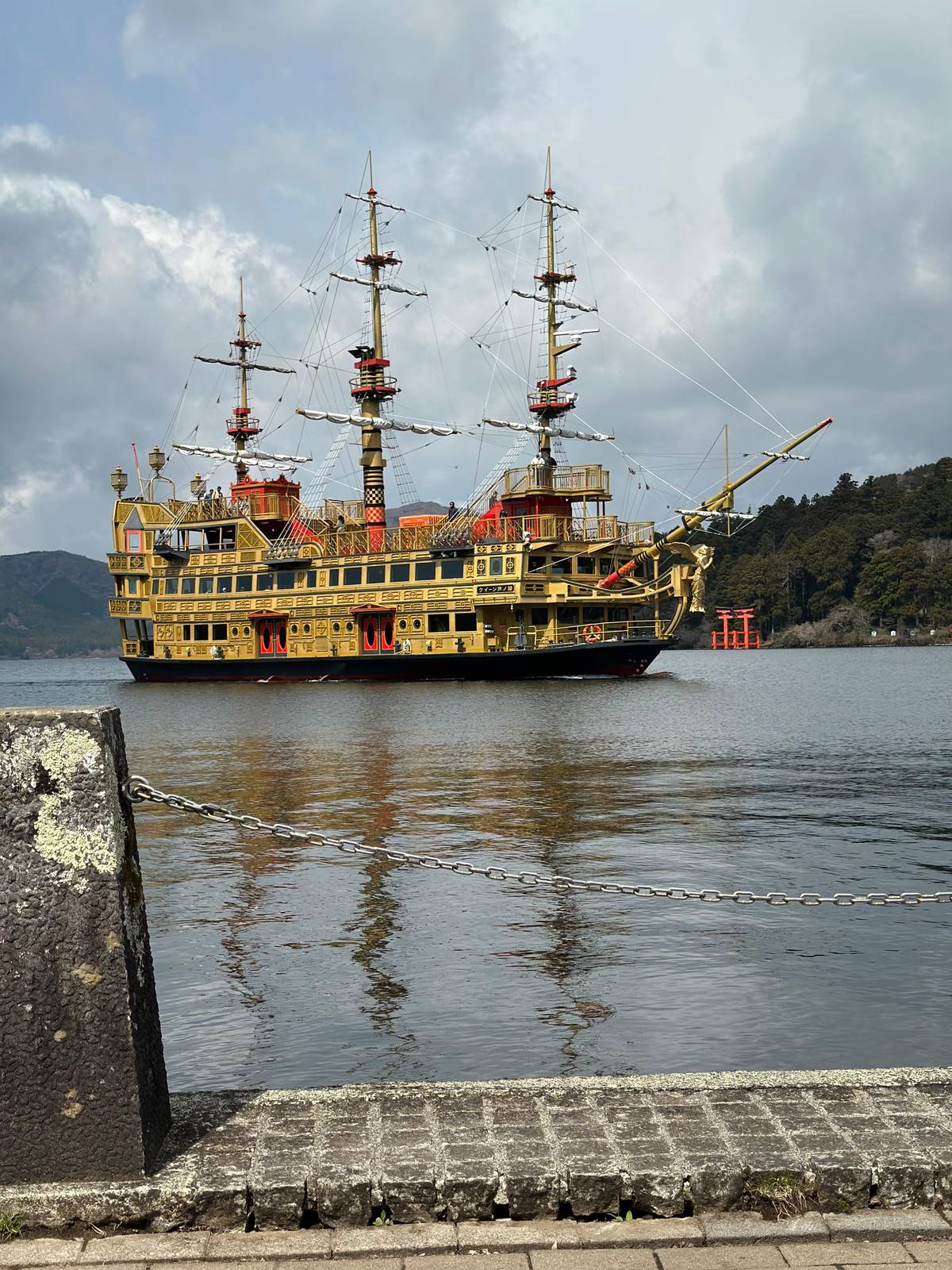
You do not have to queue on the shore to see the gate. Odakyu Hakone points out spots on the cruise where Mt. Fuji and the lakeside torii of Hakone-jinja shrine appear in the same view.4 Its editors who rode the Victory describe Kuzuryu Shrine and the torii of peace appearing on the left of the ship.20
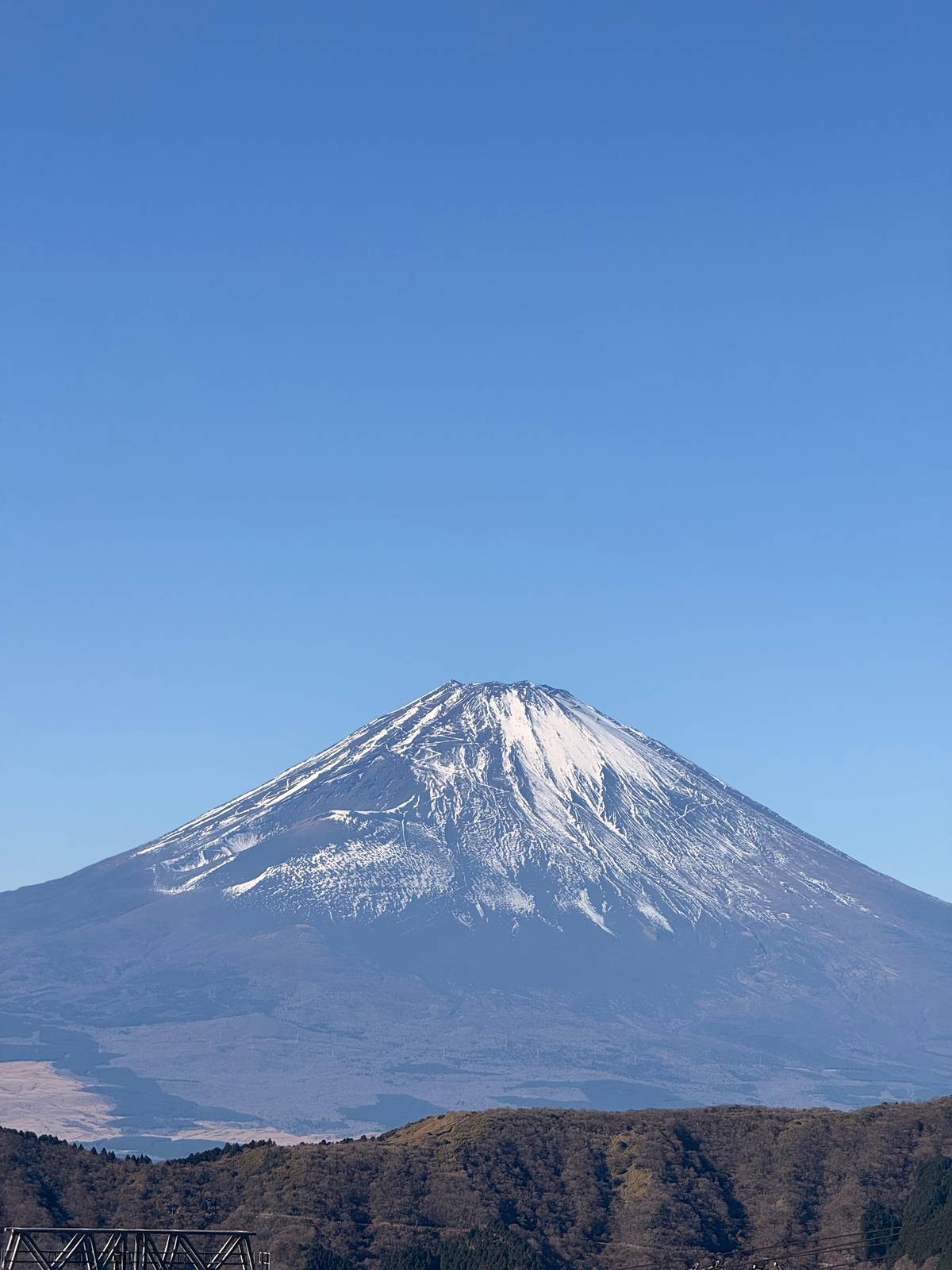
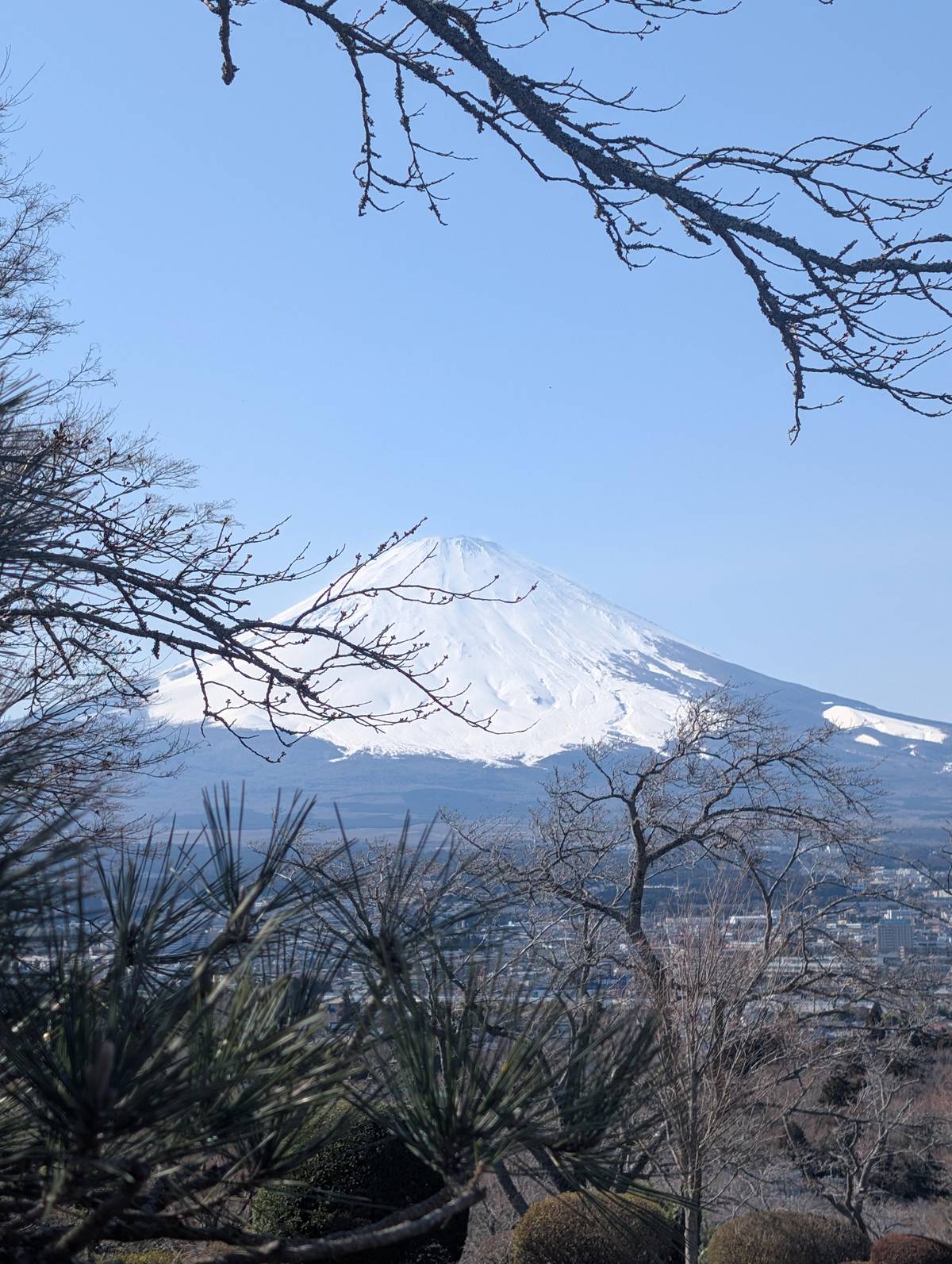
The best run for this is the one from Moto-Hakone Port toward Togendai, on which you can admire both the Heiwa no Torii and Mt Fuji, according to the same editors.21 On a clear winter morning the snow on Fuji and the red of the gate make the classic pair.22
From land the torii stands at the bottom of a short path down from the shrine's main approach, so you can see it from both sides on the same day: first from the water, then up close from the shore. The two views feel different. From the deck the gate is small against the forested slope and the mountains behind it; from the shore you notice the weathered vermilion, the stone base in the shallows and how the water moves around the posts.
Map
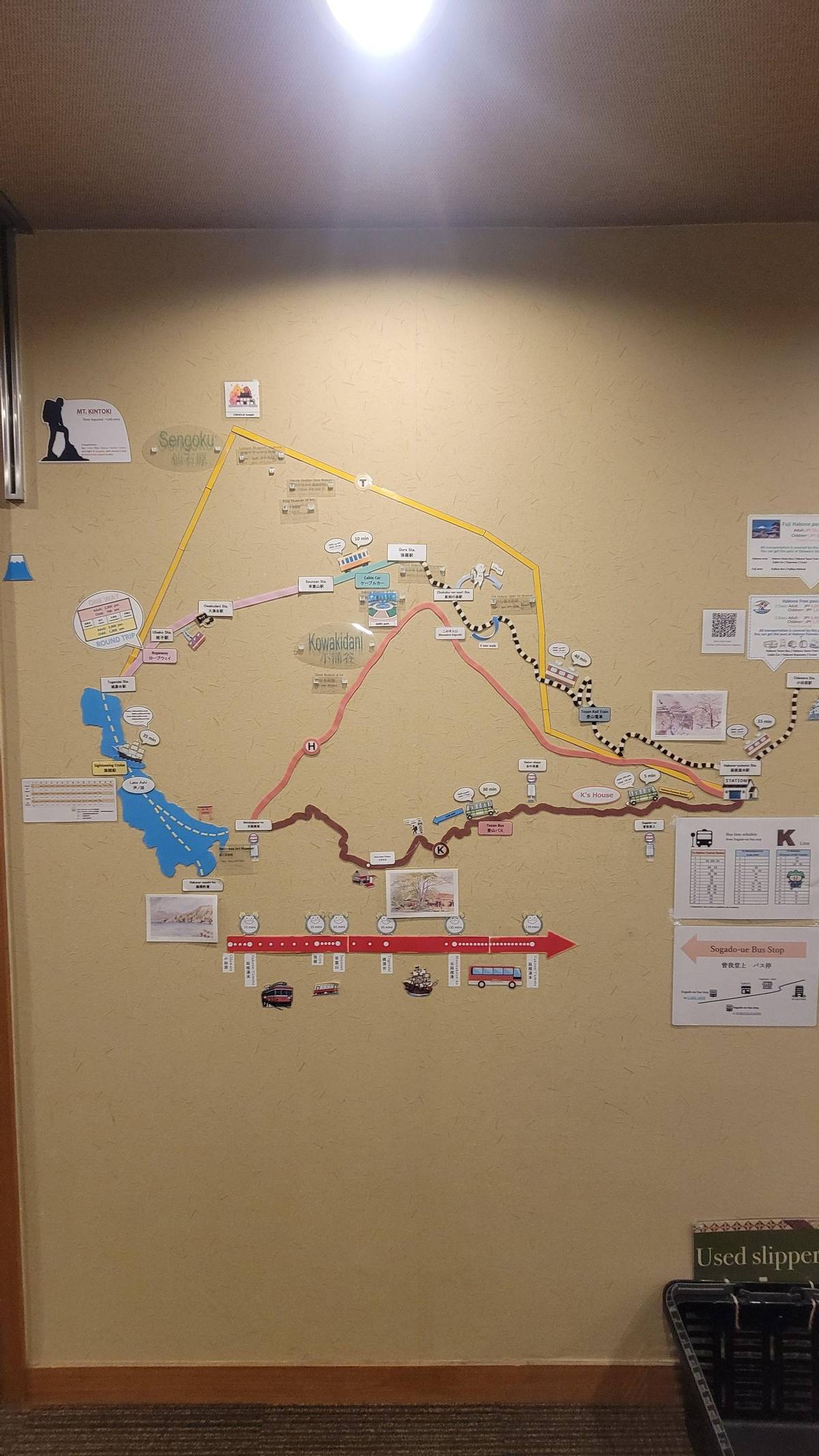
The lake with the cruise ports and the Komagatake ropeway, the shrine shore at Moto-Hakone up close, then the whole loop from Odawara over Owakudani to the water.
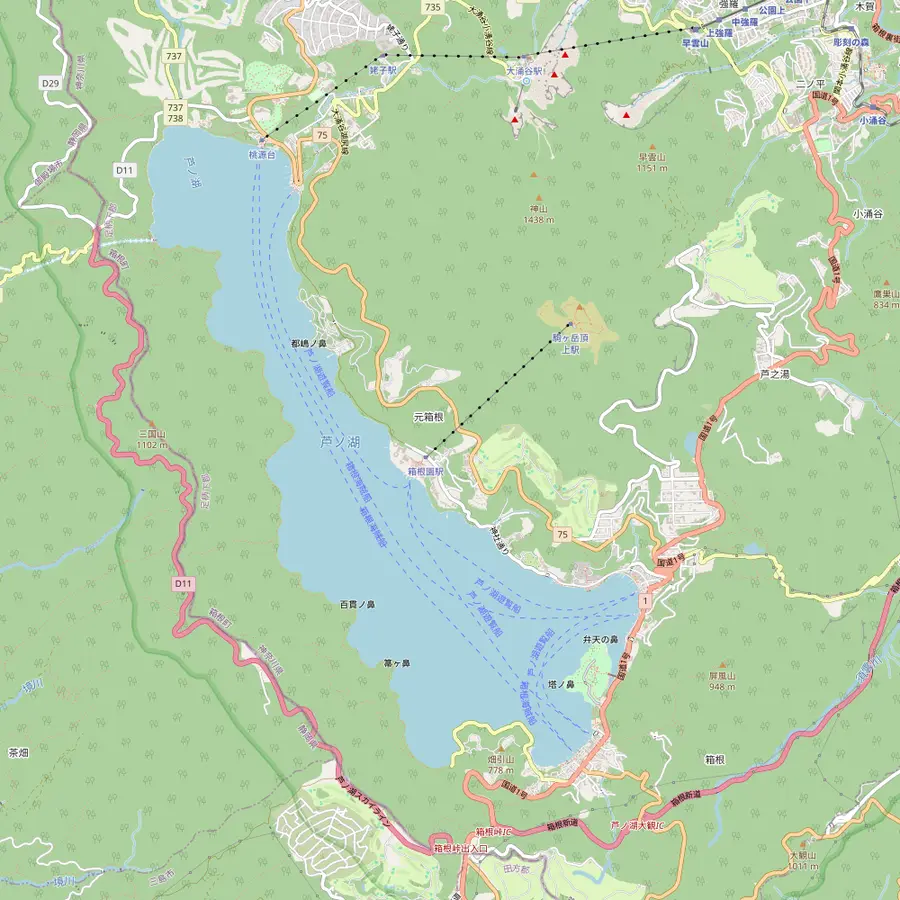 1Togendai port2Kuzuryu Shrine Hongu3Hakone-en4Komagatake summit5Moto-Hakone-ko6Hakone-machi-ko
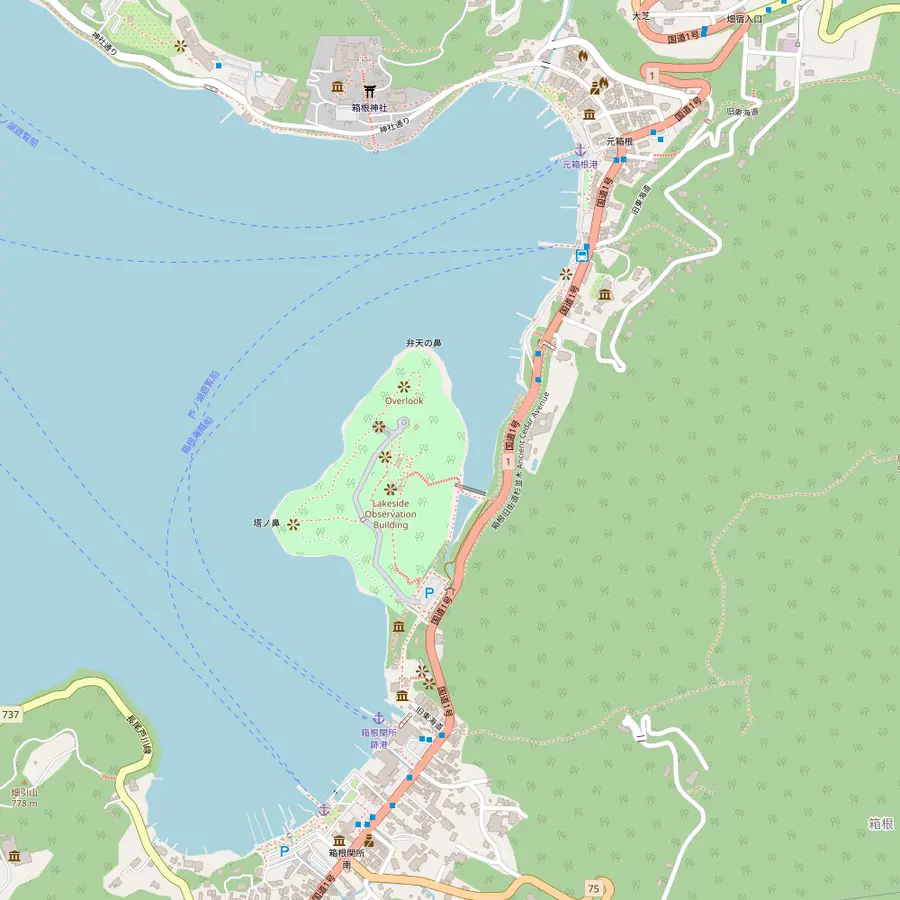 7Hakone Shrine8Heiwa no Torii9Onshi Hakone Park10Hakone Checkpoint
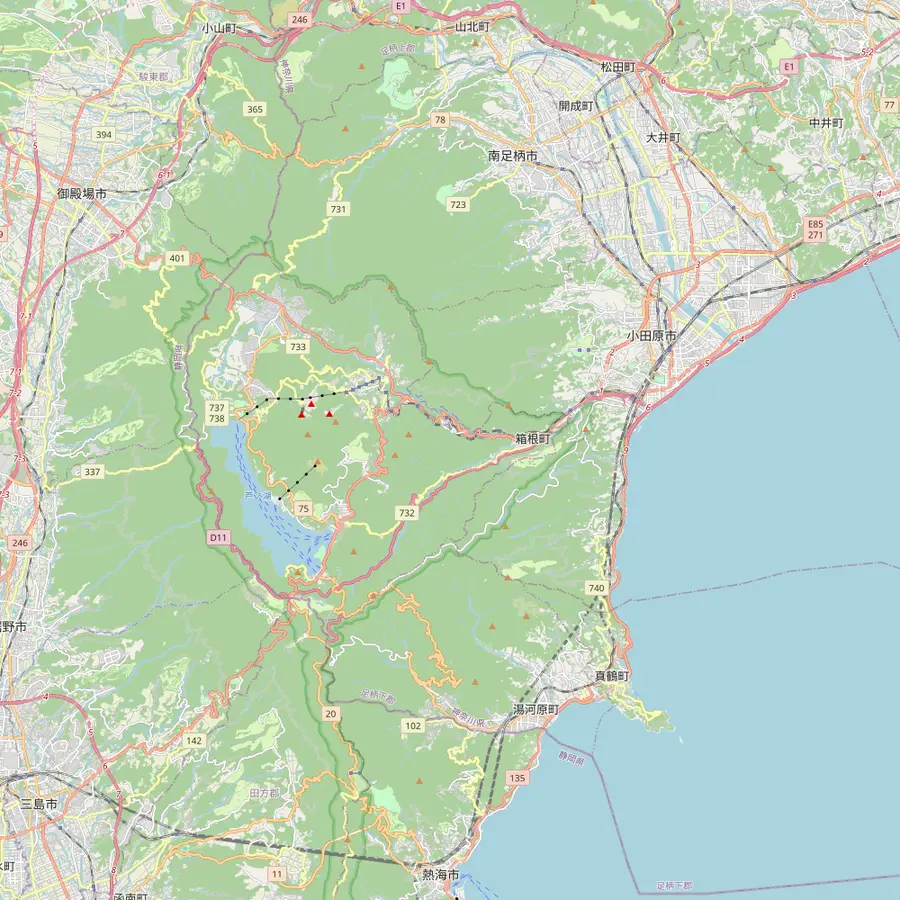 11Odawara12Hakone-Yumoto13Gora14Sounzan15Owakudani16Ubako
The northern port: cruise tickets on floor B2F, and the Hakone Ropeway about a 3-minute walk away in the same building.2324
In Google Maps ↗On the lakeshore with no bus stop nearby, about 30 minutes on foot from the Togendai bus stop; the forest around it charges admission.16
In Google Maps ↗Lakeside base station of the Komagatake ropeway.25
In Google Maps ↗Top of the 1,800 m Komagatake ropeway, 7 minutes up from Hakone-en.25
In Google Maps ↗The port nearest Hakone Shrine, with a ticket counter, a waiting area and a shop.265
In Google Maps ↗The southern port, a short walk from Onshi Hakone Park and the Hakone Checkpoint.27
In Google Maps ↗A shrine that dates back to 757; the main approach climbs 90 stone steps.111
In Google Maps ↗The gate standing in the lake, built in 1952 and the only ryobu-style torii of the shrine.213
In Google Maps ↗An imperial villa and garden built in 1886, now a public park over the lake.2829
In Google Maps ↗A sight listed beside Hakone-machi-ko, the southern port.27
In Google Maps ↗Where the Freepass from Odawara starts, and where the site tour boards its train back to Tokyo.30
In Google Maps ↗Start of the Tozan Train to Gora; the T Line bus reaches Togendai in about 40 minutes.3132
In Google Maps ↗Top of the Tozan Train and foot of the cable car to Sounzan.33
In Google Maps ↗Cable car to ropeway in about 2 minutes on foot, in one building.34
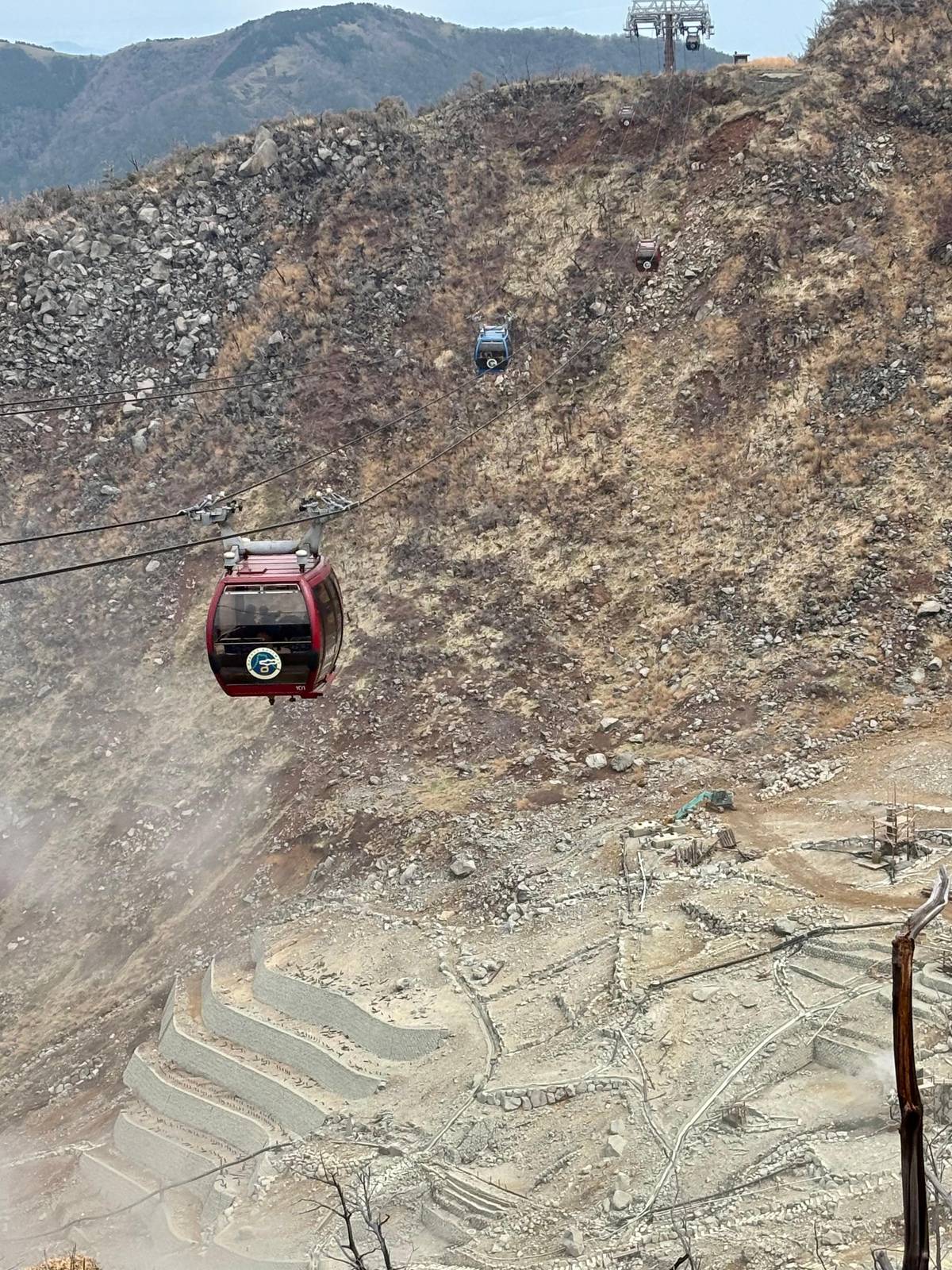
In Google Maps ↗Change gondolas here; on the way up from Sounzan the line crosses the valley about 130 m above the ground.3536
In Google Maps ↗Between Owakudani and here is one of the stretches where Mt. Fuji shows on clear days.37
In Google Maps ↗Checklist
Price calculator
Compare tours with a Hakone Shrine stop for your group
Total from$121
per participant from $61
Check availabilityfree cancellationEach total multiplies a listing's lowest GetYourGuide price by the number of travelers and converts it at today's ECB rate; the booking page shows the binding figure for your date.
Video
The player stays dark and sends nothing to YouTube until you start it.
A visit from the port follows a line of gates. The shrine's guide numbers its torii from the first gate in the village to the fifth at the top of the steps, with the peace torii by the water apart from the rest.10 From the fourth torii, beside the purification basin, the main approach climbs 90 stone steps.11
The climb runs between old cedars, and past the fifth torii the vermilion main hall appears among the trees.10 Odakyu Hakone also mentions the shrine treasure house, where you can learn about its history.38 Allow enough time to look around before you head back down to the port. The grounds also hold smaller shrines and memorial stones along the paths, and the forest keeps the air cool even on a summer afternoon, a pleasant contrast with the open deck of the ship.
If you come by bus rather than by boat, take the Hakone Tozan bus on the H or K line from Hakone-Yumoto, ride about 40 minutes to Hakone-jinja-iriguchi and walk about 10 minutes to the shrine.14 Moto-Hakone-ko port, with its ticket counter for the cruise, is a short walk from the same stop.26
Hakone Shrine shares its grounds with a second deity. Kuzuryu, the dragon deity worshipped as protector of Lake Ashi, is honored at two shrines: Kuzuryu Shrine Hongu on the lakeshore and the Shingu right beside the main hall of Hakone Shrine.6 The legend tells of the monk Mangan, given power by the deity of Hakone Shrine, who subdued an evil dragon that tormented people from the lake.39
Kuzuryu Shrine in Hakone's lakeside forest is harder to reach. There is no bus stop nearby, and Odakyu Hakone puts it at about 30 minutes on foot from the Togendai bus stop, inside Hakone Kuzuryu no Mori, which charges admission.1617 Hakone-en runs a motorboat to the shrine instead: a return trip costs 2,200 yen for adults, entry to the forest included.19
Every month the main hall of the shrine, the Hongu, holds a festival on the 13th, and its largest yearly festival falls on 13 June.40 On the evening of 31 July the Kosuisai lake festival is held as the eve of the shrine's grand festival.41
Summer is the shrine's big season. The grand festival of Hakone Shrine falls on 1 August, and around it the Ashinoko Summer Festival Week runs from 31 July to 6 August.42 Odakyu Hakone lists the Lake Festival on 31 July and the Torii Yaki Festival with the Ryuto lantern festival on 5 August at Kojiri.4344
During the festival week as many as 18,500 fireworks rise above the lake, according to Odakyu Hakone.45 If you want to watch from the water, check with the cruise operator whether special evening sailings run that year.
The year opens here too. On 1 January the shrine is the place for the first shrine visit of the year, and on 5 January Motohakone holds the event that opens Lake Ashi.4647 On 3 February the shrine hosts the Setsubun festival, and on 24 October the inner shrine on Komagatake holds its main festival.4849
The simplest plan is to sail into Moto-Hakone-ko, walk to the shrine and the torii, and either take a bus from the same area or board the next boat on to Hakone-machi-ko. A one-way cruise ticket does not let you stop at a port and carry on, so use a pass or buy short tickets for each leg.50 The Hakone Free Pass covers the normal cabin as often as you like.51
Some day tours from Tokyo build the shrine in. One Fuji and Hakone day lists 80 minutes at Hakone Shrine, and its guide helps you buy a cruise ticket on the day if you want one, from $61. Another, from Shinjuku, spends 40 minutes at the shrine and an hour on Lake Ashi, from $82.
The coach day this site is built around does not list the shrine in its itinerary; it names Hakone Shrine only among the alternatives it may visit when another activity cannot go ahead. If the shrine is your priority, choose a tour that lists it or plan the bay on your own.
Your Hakone day
Pick a date, meet in Ginza or Shinjuku, and cancel free up to 24 hours before.
It dates back to 757. The shrine's history says the monk Mangan built it at its present site by the lake that year.17
In 1952. It celebrated the Crown Prince's investiture and the peace treaty; the Heiwa plaque followed in 1964.23
90 stone steps. They climb from the fourth torii on the main approach to the hall at the top.11
H or K line, about 40 minutes. From Hakone-Yumoto to Hakone-jinja-iriguchi, then a walk of about 10 minutes.14
Yes, on clear days with Fuji. Odakyu Hakone names spots on the cruise with Mt. Fuji and the torii in one view.4
Sources
Keep reading